
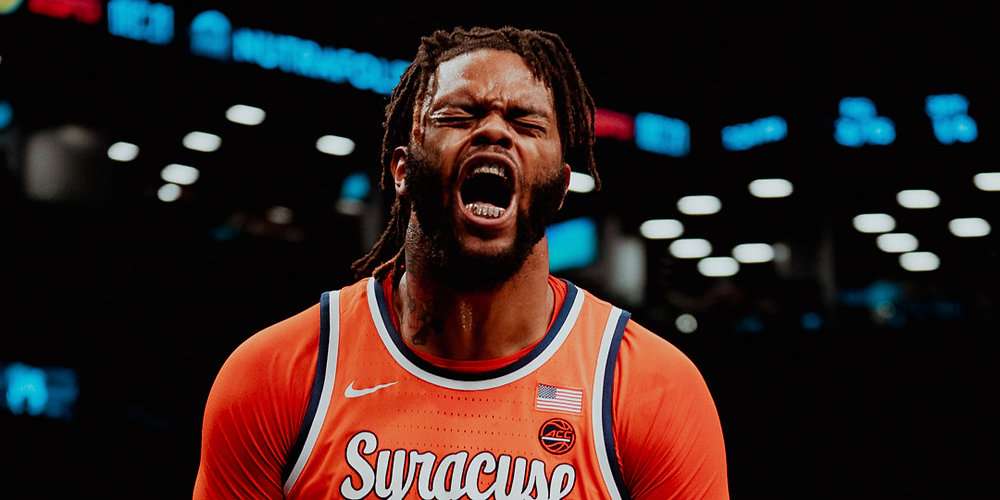
When most people think of sports photography, they picture the dramatic action shot—the slam dunk, the touchdown, the perfect swing. While those moments are essential, the real magic happens when a collection of photos comes together to tell a story. A great sports photo gallery doesn’t just show what happened on the field—it brings viewers into the entire experience, from anticipation to celebration.
Here’s how you can build a narrative that connects emotionally with athletes, parents, and fans through your sports photo galleries:
1. Start Before the Action
Every story has a beginning, and sports photography is no different. Capture the warm-ups, pre-game rituals, and candid team huddles. These images set the stage and give context. They show the nerves, the focus, and the energy before the whistle blows.
Example: A close-up of laced sneakers on the court, a coach’s intense pre-game talk, or teammates laughing together during stretches.
2. Highlight the Action… But Show Variety
Yes, action shots are the backbone of sports photography—but if every image is mid-play, your gallery risks looking repetitive. Mix in wide shots for atmosphere, mid-range shots for context, and close-ups for detail.
Tip: Look beyond the obvious. Capture not just the star player, but also the hustle of a defender, the strategy of a point guard signaling a play, or the concentration of a goalie ready for impact.
3. Don’t Forget the Faces
Emotion is what makes sports powerful. A photo of determination, frustration, or pure joy tells the audience more than the scoreboard ever could. Focus on expressions from players, coaches, and even fans in the stands.
Example: A split-second of disappointment after a missed shot, the joy of a high-five, or parents clapping from the sidelines.
4. Capture the Turning Points
Every game has its critical moments—the plays that change momentum or decide the outcome. Identify and capture these so your gallery reflects the game’s drama.
Example: A key interception in football, a penalty kick in soccer, or the buzzer-beater shot in basketball. These become anchor images in your story.
5. Show the Aftermath
Don’t stop shooting when the clock runs out. The ending is often where the story truly lands. Document the celebrations, the exhaustion, or even the quiet reflection after a loss.
Example: Players hugging in victory, slumped shoulders in defeat, or the handshake line that represents sportsmanship.
6. Sequence Your Gallery Intentionally
Think of your gallery as a book. Arrange the photos so they flow naturally from beginning to end:
-
Introduction (before the game)
-
Rising action (key plays, teamwork, struggles)
-
Climax (game-changing moment)
-
Resolution (celebration, reflection, conclusion)
This gives your viewers a journey rather than a random collection of images.
7. Add Personal Touches
Sometimes, one candid image says more than ten action shots. Include behind-the-scenes details—team shoes lined up, water bottles on the bench, or fans painting their faces. These extras help personalize the story and make it relatable.
Conclusion: More Than Just Photos
When you build a narrative through your sports photo gallery, you’re not just showing highlights—you’re preserving memories. You’re giving parents a way to relive their child’s determination, athletes a chance to reflect on their growth, and fans a reason to cheer long after the final buzzer.
A well-structured gallery turns a game into a lasting story. And that’s what makes sports photography unforgettable.
No responses yet